
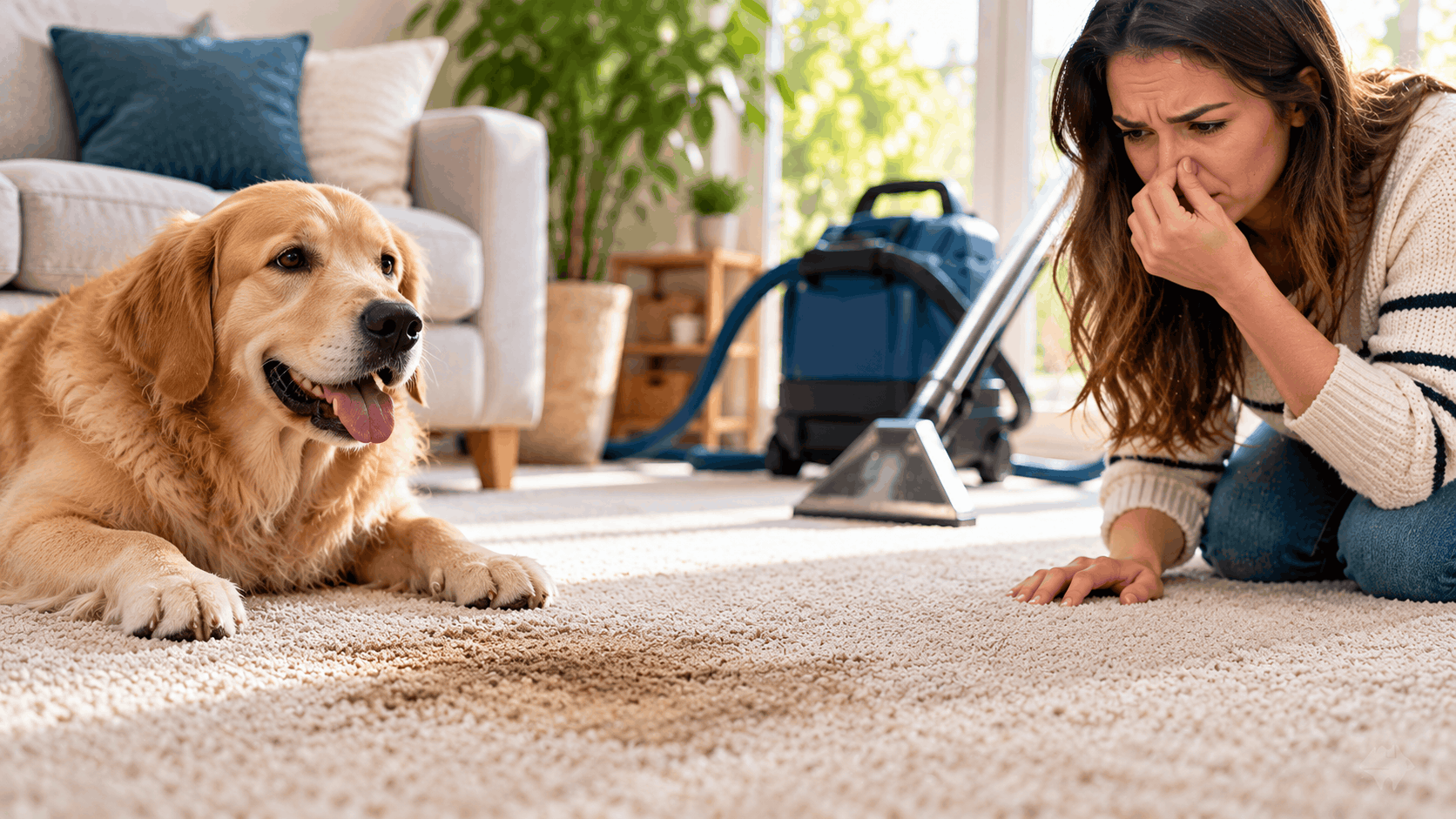
Does your carpet smell unpleasant even after you vacuum it? Lingering carpet odours can make a room feel less fresh, particularly when the smell returns shortly after you clean the surface.
The key to removing a carpet odour is to identify its source. Pet accidents, food spills, moisture and residue from previous cleaning attempts can all contribute to unpleasant smells. Spraying an air freshener may disguise the odour temporarily, but it will not remove the substance causing it.
For homeowners across the NSW Mid North Coast, including Nabiac, Taree, Forster, Tuncurry and surrounding communities, this guide explains the common causes of carpet odours, what you can safely try at home and when professional carpet cleaning may help.
Why Does My Carpet Smell Bad?
Carpet fibres can trap substances that produce unpleasant smells. Liquids may also travel beneath the visible surface and reach the carpet backing or underlay, where ordinary vacuuming cannot remove them.
The smell itself can offer useful clues. A sour smell may follow a spill, a urine-like odour may indicate a pet accident, and a musty smell may point to moisture. However, smell alone cannot confirm the source, so check the surrounding area before choosing a treatment.
1. Pet Urine and Other Pet Accidents
Pet accidents are a common source of persistent carpet odours. Urine can soak through the carpet pile and reach the backing or underlay. Even after the surface looks clean, material left deeper down can continue to produce an unpleasant smell.
Warm or humid conditions may make an existing odour more noticeable. Repeatedly spraying perfume or general-purpose cleaner over the spot usually does little to address the original source.
What can you do?
- Blot a fresh accident with clean, absorbent cloths.
- Avoid rubbing the area, as this can spread the liquid through the fibres.
- Use a carpet-compatible pet-odour product according to its label.
- Test the product on a discreet area first.
- Contact a professional if the smell persists or the liquid has reached the underlay.
Some pet-odour products use enzymes to break down particular organic residues. Choose a product labelled for the relevant stain and carpet material, and follow the manufacturer’s instructions. Never mix cleaning products.
2. Food and Drink Spills
Milk, coffee, sauces and other food or drink spills can leave odours when residue remains in the carpet. A quick wipe may remove the visible mark without removing everything that caused it.
Sticky drinks can also leave a film that attracts dirt, while food particles trapped between carpet fibres may continue to smell until you remove them.
How to deal with food and drink odours
- Remove any solid material carefully without pushing it further into the carpet.
- Blot liquid spills with a clean cloth.
- Use only a cleaning product suitable for the carpet and the type of spill.
- Follow the product instructions and avoid soaking the carpet.
- Allow the area to dry thoroughly with suitable ventilation.
If the smell returns after drying, residue may remain below the surface. Avoid repeatedly wetting the same patch, as excess moisture can spread the problem.
3. Moisture Trapped in the Carpet
A persistent musty smell can indicate that a carpet or the material beneath it has remained damp. Spills, leaks, flooding, excessive cleaning moisture and poor ventilation can all contribute to this problem.
Moisture trapped beneath a carpet can create conditions that support mould growth. You may notice a musty smell, damp patches or discolouration, although mould does not always produce an obvious visible sign.
What should you do?
- Identify and address the source of the moisture.
- Improve ventilation when conditions allow.
- Avoid adding more water or detergent to a damp carpet.
- Arrange an appropriate assessment if the carpet remains damp or the smell persists.
If a leak or flood has affected the carpet or underlay, ordinary carpet cleaning may not resolve the problem. Water damage may require specialist restoration, particularly when contaminated water or extensive moisture is involved.
Read our related guide on preventing mould and musty smells in carpets for more information about managing moisture.
4. Cleaning Product Residue
Some carpet cleaning products can leave residue when you use too much or fail to remove the solution effectively. Residue may trap dirt, create a sticky feel or contribute to an unpleasant smell.
This problem can occur after repeated spot treatments or DIY cleaning attempts. Adding another product without understanding what remains in the fibres may make the situation worse.
How to prevent cleaning-related odours
- Use the amount recommended on the product label.
- Never combine different cleaning chemicals.
- Avoid applying several products to the same area.
- Follow the manufacturer’s rinsing and drying instructions.
If your carpet smells worse after cleaning, tell your professional cleaner which products you used. That information can help them assess the likely cause and select an appropriate treatment.
5. Dirt and Organic Material Trapped in the Carpet
Everyday use introduces dust, outdoor soil, food crumbs, pet hair and other debris into carpet fibres. Over time, this material can contribute to a stale smell, particularly in busy living areas and around entrances.
Vacuuming removes loose debris, but it may not remove all the soil embedded in a heavily used carpet. Spills and organic material can also remain in places that are difficult to reach with ordinary household equipment.
What can help?
- Vacuum regularly, especially in high-traffic areas.
- Use doormats to reduce the amount of outdoor dirt entering your home.
- Clean up food spills promptly.
- Arrange professional cleaning when ordinary maintenance no longer improves the carpet’s condition.
A professional clean may help remove accumulated soil, but the result depends on the carpet’s condition and the source of the odour.
6. Your Carpet Is Not Drying Properly
Carpet that stays damp for too long may develop an unpleasant smell. The cleaning method, moisture level, ventilation, indoor humidity and carpet construction all influence drying time.
Homes around the NSW Mid North Coast can experience humid weather, particularly in warmer months. Good airflow can help carpets dry, but ventilation alone will not solve a leak or moisture trapped beneath the carpet.
Help your carpet dry properly
- Follow the cleaner’s drying instructions.
- Use suitable fans or air conditioning when appropriate.
- Keep unnecessary foot traffic off damp carpet.
- Investigate persistent dampness rather than masking the smell.
If the carpet continues to smell musty after it dries, check for an underlying moisture problem before arranging another routine clean.
Safe Home Remedies for Carpet Odours
You can manage some minor, fresh spills at home, but the right approach depends on the source of the smell and the carpet material.
Blot fresh spills
Use a clean, absorbent cloth to lift liquid from the carpet. Press gently and replace the cloth as it absorbs moisture. Avoid scrubbing, which can spread the spill or damage the fibres.
Use a suitable carpet cleaner
Choose a product designed for your carpet type and the particular stain or odour. Read the label, test it in a discreet location and follow the instructions carefully.
Use baking soda cautiously
Some homeowners use baking soda to help manage light surface odours. However, it will not remove urine or other material that has soaked into the backing or underlay. Fine powder can also be difficult to remove completely from some carpets, so check the carpet manufacturer’s advice and your vacuum manufacturer’s instructions before using it.
Avoid masking the smell
Air fresheners and scented sprays may cover an odour temporarily without removing its source. Strong fragrances can also irritate some household members. Focus on removing the cause rather than covering it up.
When Should You Call a Professional Carpet Cleaner?
Consider professional help if the odour returns after drying, a pet accident has soaked into the carpet, previous cleaning attempts have left residue or the carpet still smells unpleasant despite regular vacuuming.
A professional can assess the carpet, discuss the likely source and recommend a suitable cleaning approach. However, deep contamination, damaged underlay, persistent moisture or mould may require specialist treatment beyond routine carpet cleaning.
Bubbles Carpet Co provides carpet cleaning services across the NSW Mid North Coast. If you live in Nabiac, Taree, Forster, Tuncurry, Hallidays Point or a nearby area within our service region, contact us to discuss your carpet’s condition and the options available.
Frequently Asked Questions
Why does my carpet smell worse after cleaning?
The smell may come from moisture, residue, or material remaining deeper in the carpet. Allow the carpet to dry according to the cleaner’s instructions. If the odour persists, investigate the source rather than applying more cleaning products.
How do I remove dog or cat urine smells from carpet?
Blot fresh urine promptly and use a suitable pet-urine treatment according to its instructions. If urine has reached the backing or underlay, surface treatment may not remove the odour completely. A professional assessment can help determine the next step.
Can carpet cleaning remove musty smells?
Professional cleaning may help when dirt or removable residue causes the smell. However, if moisture, mould or contaminated material beneath the carpet causes the odour, you must address that underlying problem.
Will baking soda remove carpet odours?
Baking soda may help with some light surface odours, but it cannot reliably remove contamination deep in the carpet or underlay. Check that it suits your carpet and vacuum before using it.
When should I worry about a musty carpet smell?
Investigate a persistent musty smell, especially when you notice dampness, discolouration, a recent leak or water damage. Address the moisture source and seek appropriate professional advice if the problem continues.
Get Help With Persistent Carpet Odours
Unpleasant carpet smells can come from pet accidents, food spills, cleaning residue, accumulated soil or moisture. The best solution depends on the source, so avoid repeatedly wetting the carpet or layering different products over the same area.
If your carpet needs professional attention, visit Bubbles Carpet Co to discuss carpet cleaning for your home across the NSW Mid North Coast.
Contact Bubbles Carpet Co to discuss your carpet cleaning needs and find out whether professional cleaning may help.
“`
## SEO settings
**SEO title:** How to Remove Unpleasant Carpet Odours
**Meta description:** Find out what causes carpet odours, how to tackle pet smells and spills safely, and when professional carpet cleaning may help.
**Focus keyphrase:** how to remove carpet odours
**Related keyphrases:**
– Remove bad smells from carpet
– Pet urine smell in carpet
– Musty carpet smell
– Professional carpet cleaning Mid North Coast
– Carpet odour removal
**Suggested URL slug:** `how-to-remove-carpet-odours`
**Tags:** Carpet Cleaning, Carpet Odour Removal, Pet Odours, Carpet Care Tips, Mid North Coast NSW, Bubbles Carpet Co
**Featured image alt text:** `Carpet in a clean living room after professional carpet cleaning`
**Internal linking:** Keep the mould-prevention link only if that article is published at the exact URL shown. Add links to other relevant published Bubbles Carpet Co articles where they naturally help readers.
**Quality check before publishing:** Have Chloe review the practical advice, keep claims consistent with the services Bubbles Carpet Co actually offers, and avoid promising complete odour removal where the underlay or moisture damage may require further work.
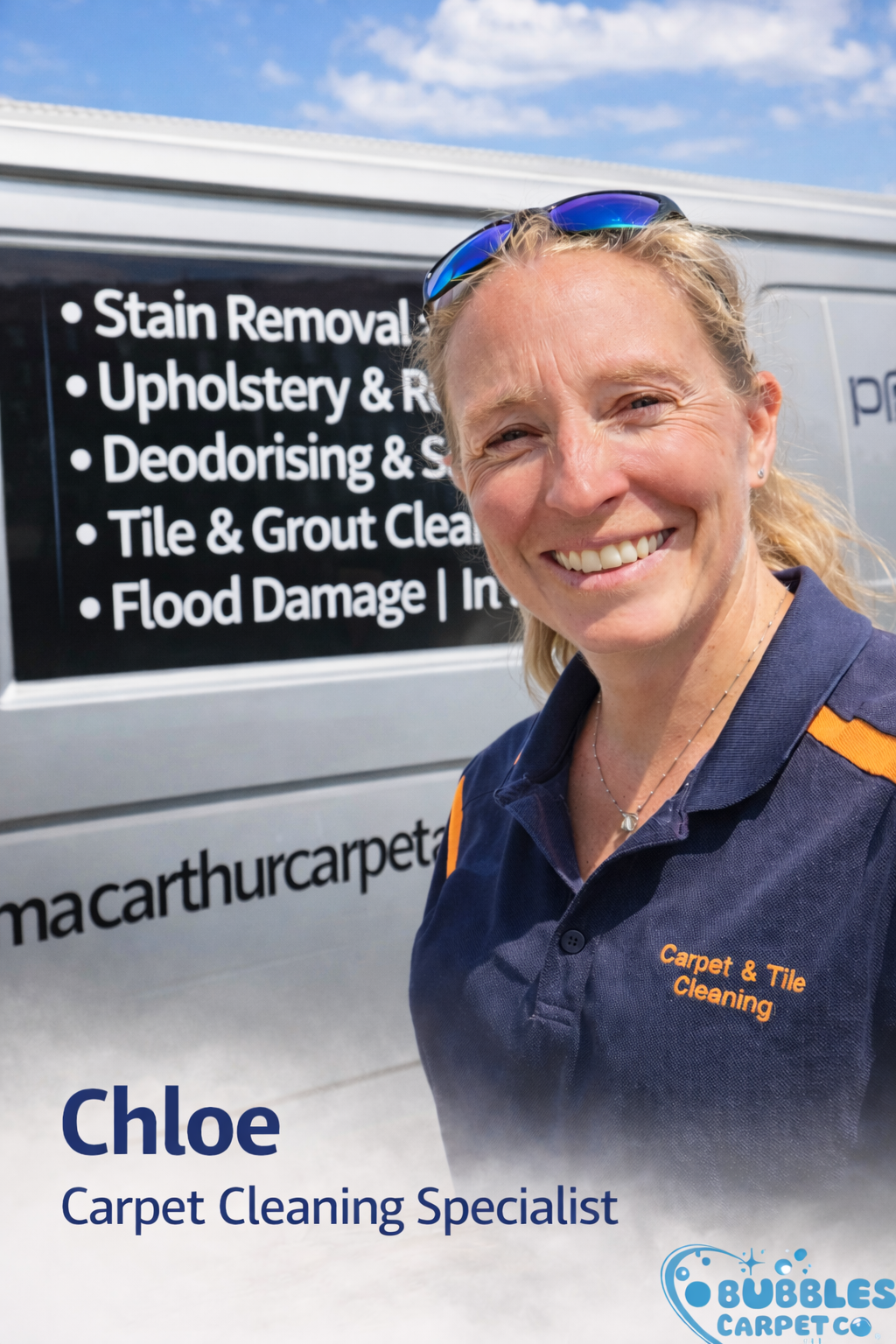
Chloe is a professional carpet and upholstery cleaning specialist at Bubbles Carpet Co, serving homes across the Mid North Coast of NSW. With years of hands-on experience working in coastal properties, she has developed deep expertise in dealing with common local carpet issues such as sand build-up, salt air exposure, humidity, mould risks, and seasonal dirt accumulation.
Through her daily work cleaning carpets in beachside homes, family residences, and holiday rentals, Chloe understands how the Mid North Coast environment uniquely affects carpets and flooring materials. She regularly works with professional steam-cleaning equipment and industry-approved cleaning solutions to restore carpets safely while extending their lifespan.
Chloe shares practical cleaning advice and maintenance tips through the Bubbles Carpet Co blog, helping homeowners learn how to protect their carpets from everyday wear, coastal conditions, pets, and seasonal changes.
Her articles are based on real on-site cleaning experience, ensuring homeowners receive trusted, practical advice that works in real homes — not just theory.
When she’s not helping clients refresh their carpets, Chloe enjoys spending time with family and exploring the beautiful beaches and coastal communities of the Mid North Coast.